• (828) 485-2990​
  • [email protected]
HEALTHY LIVING SPINAL CARE | Hickory, North Carolina
  • Home
  • About
  • How We CAn Help You
  • Our TEAM
  • CONTACT US
  • TEST 2
  • Health Conditions
  • Home
  • How We Help
  • Our Team
  • Health Conditions
    • Asthma and Allergies
    • Back Pain
    • Digestive Disorders
    • Fibromyalgia
    • Migraine Headaches
  • Reviews
  • Contact
  • FAQ
  • UC Documentary
  • Home
  • How We Help
  • Our Team
  • Health Conditions
    • Asthma and Allergies
    • Back Pain
    • Digestive Disorders
    • Fibromyalgia
    • Migraine Headaches
  • Reviews
  • Contact
  • FAQ
  • UC Documentary

Migraine Headaches


migraine headaches
If you are currently living with migraine headaches, you know the classic symptoms of pain, sensitivity to light or sound, nausea, and vomiting. Some migraine sufferers also experience visual disturbances, numbness, tingling, clumsiness, or have difficulty communicating.
​
Typical medical treatments include both over-the-counter and prescription drugs. However, if you’ve seen the drug ads on TV or read the Physician’s Desk Reference, you know that all of the common migraine drugs are potentially dangerous and can cause serious side effects.
​
Migraines can be triggered by a number of factors including stress, excessive light or sound, fatigue, hunger, diet, hormonal changes, weather changes, caffeine, cigarette smoke, head trauma, neck movements, and even the use of a low pillow. However, it is important to understand that these “trigger factors” do not cause migraine headaches.

Dr. Seymour Diamond, Executive Director of the National Headache Foundation, has announced that new imaging techniques now allow scientists to identify what they believe to be a cause of migraines: a malfunctioning brain stem. When the brain stem, located near the top of the neck malfunctions, it increases the swelling of blood vessels surrounding the brain, setting up a chain reaction that results in a migraine headache.


Migraines & Upper Cervical Care misalignment in the Upper Cervical spine (neck) can affect the function of the brain stem. This, in turn, can cause migraine headaches. Car accidents, sports injuries, work-related injuries, physical or emotional stress, falls, or even birth trauma can cause upper cervical misalignments.

What are migraine headaches?
Migraines are recurrent headache attacks that can cause moderate to severe pain—often throbbing—along with symptoms like nausea, sensitivity to light or sound, and sometimes visual changes (aura). Migraine symptoms can interfere with work, sleep, and daily activities.
What triggers migraines?
Migraine triggers vary by person. Common triggers can include stress, sleep disruption, skipping meals, dehydration, hormonal changes, certain foods or alcohol, caffeine changes, weather shifts, strong smells, bright lights, loud noise, and neck or muscle tension. Tracking patterns can help identify personal triggers.
How do migraines differ from other headaches?
Migraines often include additional symptoms such as nausea, light/sound sensitivity, and sometimes visual disturbances. Tension-type headaches more commonly feel like steady pressure or tightness around the head and usually don’t include the same level of nausea or sensory sensitivity.
How can chiropractic care support someone with migraines?
Some people with migraines pursue chiropractic care as a conservative approach to support posture, neck function, and musculoskeletal factors that may contribute to headache patterns. At Healthy Living Hickory, we focus on upper cervical spinal function and overall wellness. Results vary, and chiropractic care may be used alongside appropriate medical care.
What type of care does the clinic offer for migraines?
We start with a consultation and exam to understand your migraine history, symptom pattern, and possible contributing factors such as neck mechanics, posture, and overall stress load. If you’re a candidate for care, we may recommend gentle chiropractic adjustments and lifestyle support (sleep, hydration, nutrition, movement, and stress management) as part of an individualized plan.
Is the approach drug-free?
Chiropractic care is non-drug and non-surgical. We do not prescribe or manage migraine medications. Many patients choose our approach because they want conservative care and lifestyle support, and we encourage coordination with your primary care provider or neurologist for diagnosis and medication guidance when needed.
Suffering from Migraine Headaches?
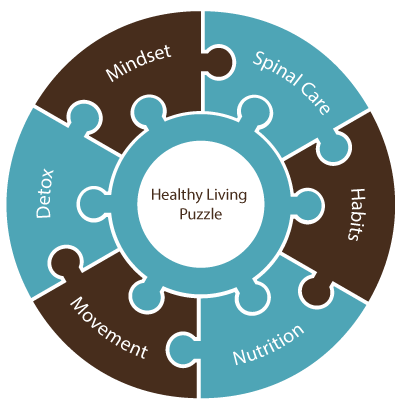
MINDSET
SPINAL CARE
HABITS
NUTRITION
MOVEMENT
DETOX

Six Major Pieces of the Healthy Living Puzzle

Picture
Picture
Picture
Picture
Picture
Picture

SCHEDULE YOUR CONSULTATION TODAY

Healthy Living Spinal Care
1055 13th St., SE , Hickory, NC 28602

828-485-2990

Office Hours:
Monday: 9:00am - 6:00pm
Tuesday: 9:00am - 6:00pm
Wednesday: 9:00am - 6:00pm
Thursday: 9:00am - 2:00pm
Friday: 9:00am - 2:00pm

Our Office in Hickory, NC


CONTACT US  |  REVIEWS  |  MINDSET  |  SPINAL CARE  |  HABITS  |  NUTRITION  |  MOVEMENT  |  DETOX   |   HOW WE CAN HELP   |   OUR TEAM   |   ASTHMA & ALLERGIES    |   BACK PAIN   |   DIGESTIVE DISORDERS   |   FIBROMYALGIA   |   MIGRAINE HEADACHES   |   BLOG   |   UPPER CERVICAL DOCUMENTARY
Order Supplements (Doctor Code: NCMI10)

Voted by the Community of Catawba County - Best Chiropractor
Best of Catawba Valley
​Website developed by Healthy Chiropractice

Chiropractic Clinic  •  Chiropractor for Digestive Disorders  •  Asthma Chiropractor  •  Fibromyalgia Chiropractor  •  Low Back Pain
© 2020 Healthy Living Spinal Care, Inc.