Chiropractor in Hickory - Low Back Pain
Low Back Pain & Upper Cervical Chiropractic Care
Many treatments focus on the lower back when the actual cause of the problem may be in the upper spine. The upper neck can be a factor in the development of lower back pain for two reasons. First, the spine works and moves as one, continuous unit. The top two vertebrae, called the atlas and axis, are the most mobile segments in the spine. These two bones move in six different directions, allowing the head to move up or down, bend side to side or turn left to right. The other vertebrae move primarily in two directions, making them stronger and more stable than the top two vertebrae.

Secondly, the upper cervical spine (neck) has thousands of “sensors” responsible for maintaining both the proper posture and alignment of the spine, as well as the balance and stability of the head. These sensors are constantly monitoring the head position, making the necessary changes throughout the lower spine to assure that the head remains upright.
How Misalignment Leads to Neck Pain & Back Pain
When the spine is aligned, it is extremely strong and stable. However, due to their mobility, the top two segments are especially vulnerable to injury or misalignment. When a misalignment occurs at the top of the neck, the spine compensates or adapts in an attempt to protect the vital nervous system it houses. This triggers a chain reaction from the top to the bottom of the spine. When the head is thrown off balance, the lower spine is compromised; the pelvis is tilted, or one leg may be drawn up or shortened, resulting in an internal weakness and a spine that is imbalanced. This chain reaction makes the spinal muscles, bones, and discs more vulnerable to injury – an accident waiting to happen. If neglected, an upper cervical misalignment can lead to premature arthritis and irreversible spinal degeneration.
SUFFERING FROM LOW BACK PAIN?
Ready to find solutions for your neck or back pain in Hickory? Schedule an appointment with our chiropractor for spinal alignments and healthy living strategies!
Many treatments focus on the lower back when the actual cause of the problem may be in the upper spine. The upper neck can be a factor in the development of lower back pain for two reasons. First, the spine works and moves as one, continuous unit. The top two vertebrae, called the atlas and axis, are the most mobile segments in the spine. These two bones move in six different directions, allowing the head to move up or down, bend side to side or turn left to right. The other vertebrae move primarily in two directions, making them stronger and more stable than the top two vertebrae.
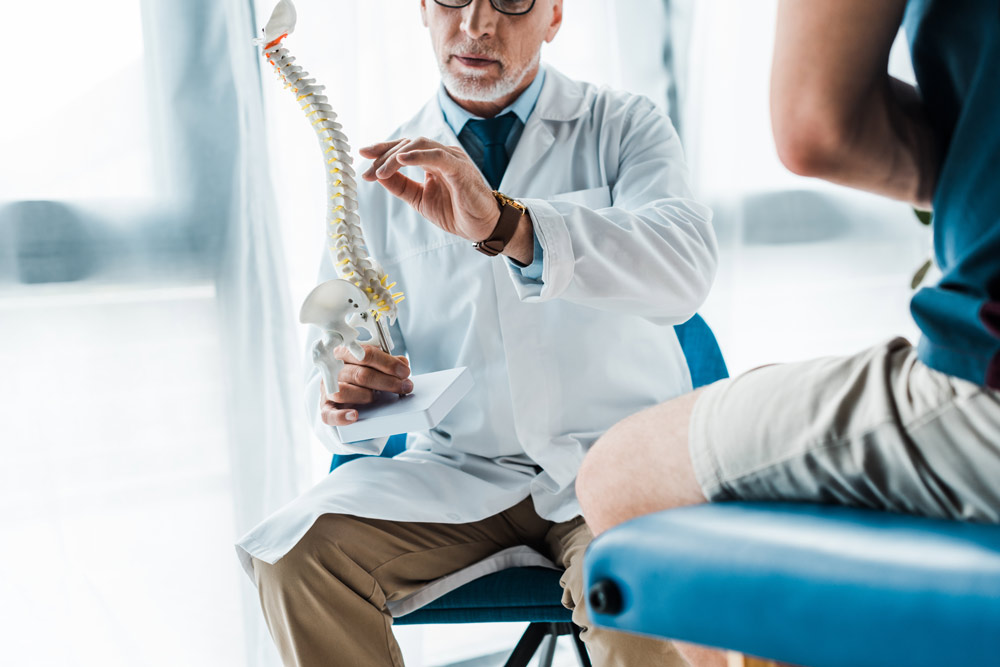
Secondly, the upper cervical spine (neck) has thousands of “sensors” responsible for maintaining both the proper posture and alignment of the spine, as well as the balance and stability of the head. These sensors are constantly monitoring the head position, making the necessary changes throughout the lower spine to assure that the head remains upright.
How Misalignment Leads to Neck Pain & Back Pain
When the spine is aligned, it is extremely strong and stable. However, due to their mobility, the top two segments are especially vulnerable to injury or misalignment. When a misalignment occurs at the top of the neck, the spine compensates or adapts in an attempt to protect the vital nervous system it houses. This triggers a chain reaction from the top to the bottom of the spine. When the head is thrown off balance, the lower spine is compromised; the pelvis is tilted, or one leg may be drawn up or shortened, resulting in an internal weakness and a spine that is imbalanced. This chain reaction makes the spinal muscles, bones, and discs more vulnerable to injury – an accident waiting to happen. If neglected, an upper cervical misalignment can lead to premature arthritis and irreversible spinal degeneration.
SUFFERING FROM LOW BACK PAIN?
Ready to find solutions for your neck or back pain in Hickory? Schedule an appointment with our chiropractor for spinal alignments and healthy living strategies!
Can a neck misalignment cause low back pain?
In some cases, issues in the upper neck can contribute to stress patterns throughout the spine. Because the spine functions as a connected system, changes in posture, muscle tension, or movement patterns in one region may influence other areas—including the lower back. A proper exam helps determine whether upper cervical alignment may be a contributing factor for you.
How can a spinal misalignment lead to low back pain?
When spinal joints and surrounding muscles are not moving or functioning optimally, your body may compensate—often through changes in posture, gait, and muscle recruitment. Over time, those compensations can increase strain on the lower back, including the muscles and supporting structures, which may contribute to discomfort or recurring flare-ups.
What happens if I ignore back pain?
Back pain sometimes resolves on its own, but persistent or recurring pain can become more difficult to manage if the underlying causes aren’t addressed. Ongoing symptoms may lead to reduced activity, altered movement patterns, and increased stress on the spine and surrounding tissues. If pain is severe, worsening, or accompanied by symptoms like numbness, weakness, loss of bowel/bladder control, fever, or unexplained weight loss, seek urgent medical evaluation.
How does Healthy Living Spinal Care help patients with low back pain?
At Healthy Living Spinal Care, we take a whole-person approach to low back pain. We evaluate posture, spinal function, movement patterns, and upper cervical alignment to identify factors that may be contributing to your symptoms. Care may include gentle chiropractic adjustments and practical support for habits that influence recovery—such as posture, movement, sleep, stress management, and nutrition. Results vary by individual and diagnosis.
Why do you evaluate or adjust the neck for low back pain?
We may evaluate the upper cervical spine because head and neck alignment can influence posture and spinal mechanics further down the body. For some patients, addressing upper cervical function may help reduce compensatory patterns and stress on the lower back. The best approach depends on your exam findings.
Does Healthy Living Spinal Care offer lifestyle guidance for back pain?
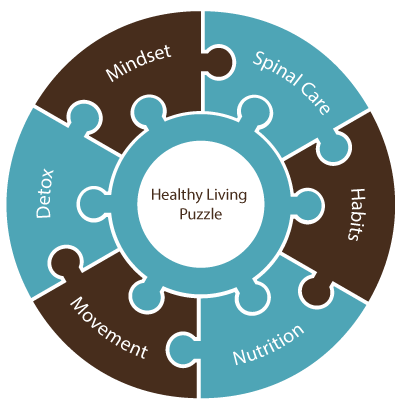
Yes. We often coach patients on healthy lifestyle choices that can support recovery and resilience. Our framework includes six key areas—mindset, spinal care, habits, nutrition, movement, and detox—so patients have practical tools to improve function and reduce future flare-ups.